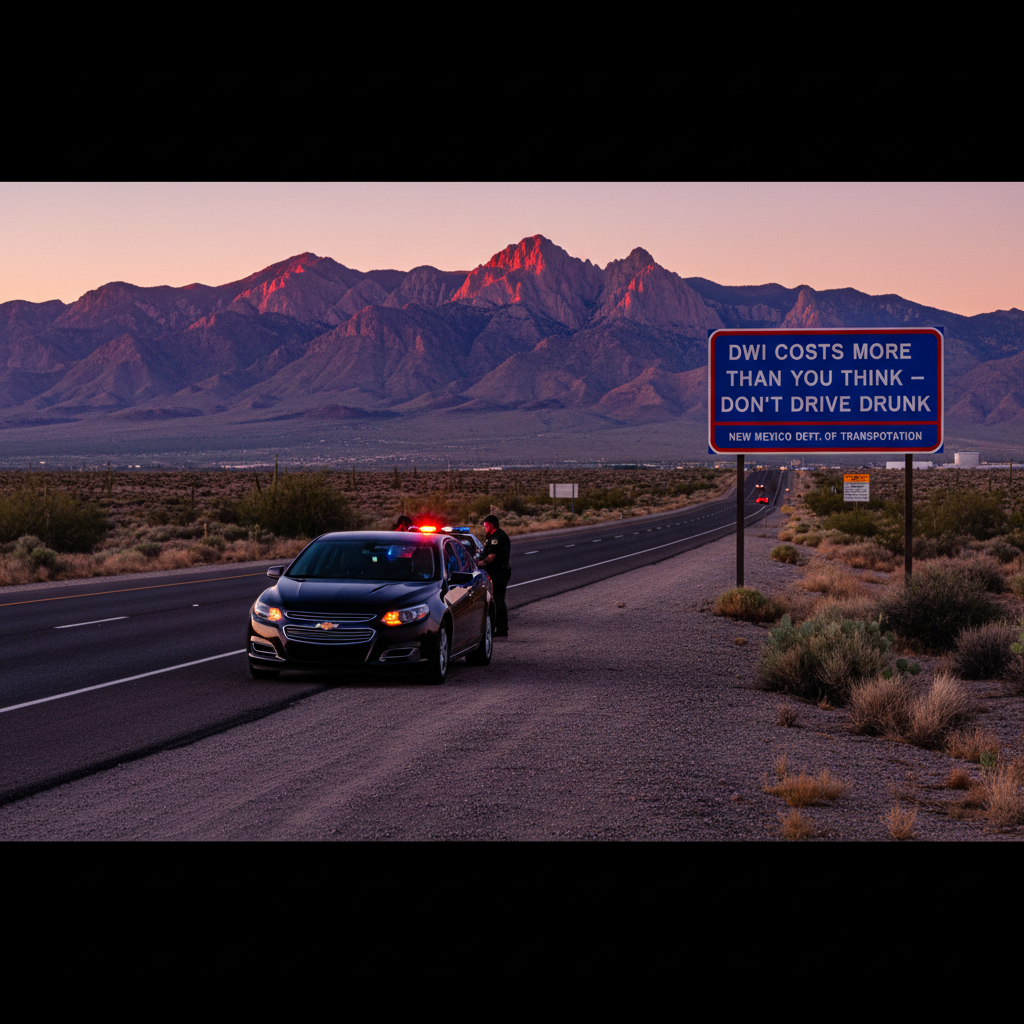
People who drink almost always feel safer and “more in control” than they really are, especially when it comes to driving. Psychologists call one major part of this gap alcohol myopia—a narrowing of attention and judgment that makes short‑term goals (getting home, avoiding hassle) seem more important than long‑term dangers (crashes, arrest, hurting someone). This matters because the law in New Mexico is quite strict on DWI; and even if you feel okay, you may still be guilty if you operate your car after drinking.
What Is Alcohol Myopia?
Alcohol myopia is a well‑established psychological effect where alcohol literally narrows what a person pays attention to. Under alcohol myopia, the brain focuses on the most obvious, immediate cues and ignores less obvious but very important risks.
For someone deciding whether to drive after drinking, that often means:
-
Focusing on “I feel okay,” “I don’t want to leave my car,” or “It’s just a short drive.”
-
Ignoring the real danger of a DWI arrest, a serious crash, or killing or injuring someone on the road.
-
While in New Mexico it is not necessarily illegal to “drink and drive” the level at which it becomes illegal can creep up fast on a person and surprise them one they are in handcuffs.
Why People Think They’re “Fine to Drive”
Alcohol myopia works together with several other effects that push people to underestimate impairment:
-
Blunted internal signals: Alcohol reduces awareness of balance problems, slowed reactions, and fuzzy thinking, so people feel less impaired than they actually are at a given blood alcohol concentration (BAC).
-
False confidence: Studies show that after drinking, drivers’ confidence in their driving rises even as their actual lane‑keeping, reaction time, and hazard detection get worse.
-
“I can handle my liquor”: Heavier drinkers may feel normal at BAC levels that still significantly impair driving performance, which reinforces the belief that they are safe when they are not.
Because of these combined effects, people routinely underestimate their BAC and level of impairment and often believe they are below the legal limit when they are not.
How Alcohol Myopia Leads to Risky Driving
Research on decision‑making while intoxicated shows a clear pattern:
-
Reduced danger perception: Intoxicated people rate dangerous behaviors, including drinking and driving, as less risky and less likely to result in harm than sober people do.
-
Immediate payoff vs. long‑term risk: Alcohol myopia makes immediate goals (avoiding a cab fare, getting home quickly, not inconveniencing friends) feel more important than the long‑term risk of killing someone, going to jail, or losing a license.
-
More willingness to drive: People who underestimate their BAC and see drunk driving as “not that dangerous” are significantly more likely to choose to drive and to drive more aggressively or carelessly.
Put simply, alcohol makes people worse drivers and, at the same time, more confident that they are good drivers.
Objective Impairment vs. “Feeling Fine”
One of the most dangerous myths is that “I’ll know when I’m too drunk to drive.” The science says otherwise:
-
Measurable impairment in reaction time, lane position, visual processing, and steering control appears at BAC levels many people would describe as “buzzed” or “a little tipsy.”
-
Drivers in simulators start making more errors and collisions at relatively low alcohol doses, even when their overall speed or basic maneuvers look okay from the driver’s seat.
In New Mexico, a driver can be convicted of DWI if alcohol makes them “less able to the slightest degree” to exercise the clear judgment and steady hand needed to drive safely, even aside from any specific BAC number. That legal standard matches what the science shows: impairment starts early, before people feel truly drunk.
Why This Matters in New Mexico DWI Cases
For people in New Mexico, alcohol myopia shows up in the stories heard over and over in DWI defenses: “I honestly thought I was fine.” The law, however, does not excuse impaired driving just because a person misjudged their own condition.
Key New Mexico points:
-
The State can prove DWI either by showing a BAC of 0.08 or more within three hours of driving, or by showing that the driver was impaired to the slightest degree by alcohol.
-
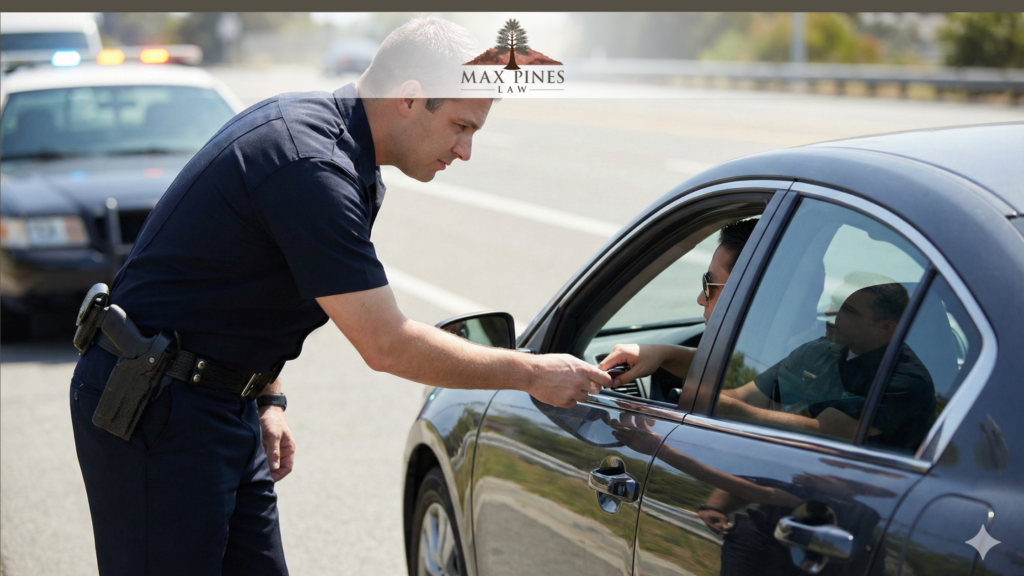
Officers and juries can rely on driving behavior, field tests, and physical signs of intoxication, even when the driver claims to have felt sober and in control.
Alcohol myopia and related effects explain why many otherwise responsible people find themselves charged with DWI after what they believed was “just a couple of drinks.”
Practical Takeaways: Protecting Yourself Before You Drink
Because alcohol myopia makes good judgment less likely after drinking, the safest choices have to be made before the first drink:
-
Decide in advance not to drive at all if you are drinking; use a designated driver, rideshare, taxi, or stay where you are.
-
Do not rely on how you feel, how you think you’re driving, or how far you have to go; those are exactly the kinds of cues alcohol myopia twists.
-
Recognize that “I’m fine” is not a legal standard; if your driving is impaired to the slightest degree, or your BAC is at or above the per se limit, you are at risk of arrest and conviction in New Mexico.
For anyone already facing a DWI charge in New Mexico—whether after “a few drinks” or a night out—experienced defense counsel can analyze the stop, the investigation, and the testing to determine whether the State’s case truly meets New Mexico’s standards for proof beyond a reasonable doubt.