In this blog:
Police in New Mexico face tighter limits on vehicle searches than in many other states because the state constitution requires both probable cause and real-time urgency before most warrantless car searches. Officers may seize what lies in plain view and may search when a driver freely consents, but drivers and passengers can decline consent, keep answers short, and clearly protect their own bags, phones, and purses. Short, calm phrases during a stop can prevent accidental waiver of rights and preserve strong defenses later.
Blue and red lights in the mirror pull the whole car into a moment of fear. Your kids might be in the back seat, a parent next to you, or a partner already anxious. In that instant, people often say “okay” to anything an officer asks, not because they agree, but because they feel cornered and tired.
Traffic stops in New Mexico follow rules. Those rules are designed to protect you and your family, especially when an officer wants to search your car.
Consent Searches: The “Yes” That Opens Everything
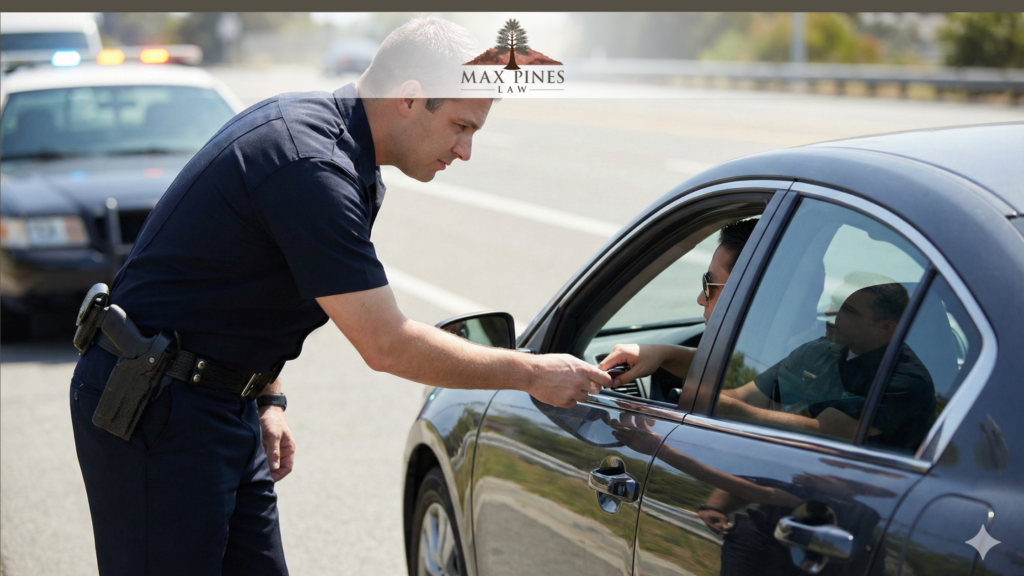
When an officer says, “Mind if I take a look in your car?” that question usually asks for consent. If you say yes, the officer doesn’t need a warrant. Courts treat that single word as permission, as long as the consent is free, voluntary, and not pushed by threats or obvious pressure.
You can reply, calmly and clearly:
“I do not consent to any searches.”
Consent can cover the whole car, including closed containers, unless you limit it. Invoke your right to remain silent when in doubt.
Plain View: What Officers May Grab Without Asking
If an officer lawfully stops your car and clearly sees drugs, open containers, or other apparent evidence through the window, that item can be seized under the plain view rule.
In New Mexico, that plain-view seizure doesn’t automatically open the rest of the car to a deeper search. After picking up what lies in sight, officers usually need either your consent, a warrant, or a legally recognized exception to go further. Whether they follow that rule or not in reality is a battle for your attorney to fight. Remember, your right to remain silent protects you from saying anything that could potentially be misinterpreted and ultimately have a negative impact on your case.
Car Searches in New Mexico: Stronger Privacy Rules
New Mexico gives drivers more protection in vehicle searches than federal law does. Under the New Mexico Constitution, a warrantless automobile search normally needs both probable cause and genuine exigent circumstances: real urgency, such as imminent destruction of evidence or immediate danger.
If there’s no emergency, officers often can secure the scene and seek a warrant later instead of tearing through the car.
Passengers, Kids, and Family Members
During a traffic stop, courts treat passengers as seized too, which means they have rights, including the right to remain silent. Recent New Mexico decisions also limit how far officers may expand a stop by digging into a passenger’s identity without reasonable suspicion of a crime.
Passengers can decline consent for their own backpacks, purses, and phones. If the officer asks to search “everyone’s stuff,” a passenger can say, “I do not consent to any search of my belongings.”
When a Traffic Stop Turns Into a Bigger Problem
If a stop in or around Albuquerque turned into a search, arrest, or criminal charge, you don’t have to work through that experience on your own. Max Pines Law handles criminal cases, DWI, civil rights matters, some expungements, and car crash cases throughout New Mexico. The firm can review the stop, the search, and the officer’s conduct under both the U.S. and New Mexico constitutions, and then build a plan for meaningful change in your life going forward.
Reach out to Max Pines Law at (505) 226-2249 for a confidential consultation and supportive legal counsel.
Traffic Stop Searches in New Mexico FAQ
Can I refuse a car search during a traffic stop in New Mexico?
Yes. You may calmly say, “I do not consent to any searches.” Without valid consent, a warrant, or a recognized exception with probable cause and real urgency, officers face strict limits on searching your car.
If the officer sees something illegal in plain view, can they search the whole car?
They may seize what lies in plain sight, but New Mexico policy and case law restrict further searching of the vehicle unless they gain consent, obtain a warrant, or show an applicable exception.
Do passengers in New Mexico have to give ID during a traffic stop?
Officers sometimes request ID from passengers, but extended questioning or additional intrusion usually requires reasonable suspicion of criminal activity tied to that passenger.