Kids, Guns and Juvenile Criminal Charges in Albuquerque: What Parents Need to Know
By Max Pines, Criminal Defense Attorney
One of the more troubling things I have observed in my criminal defense practice in Albuquerque is the intersection of youth culture, social media and firearms.
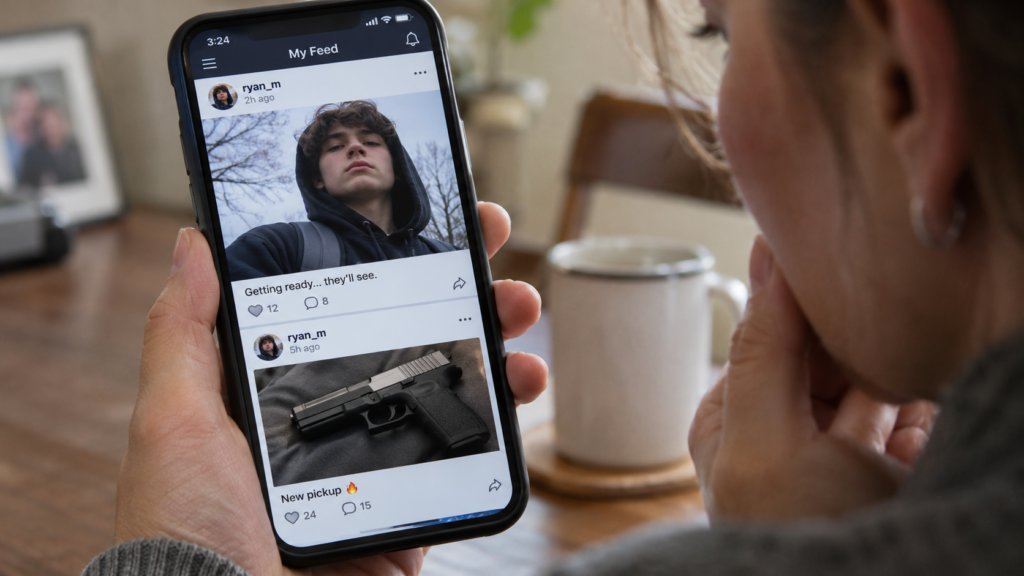
There is a growing fascination with guns among certain groups of young people. Guns have become symbols of status, toughness and social acceptance. Kids post pictures of themselves holding guns, circulate videos of themselves brandishing weapons and associate with other young people who carry firearms.
Unfortunately, many of these kids have very little appreciation for either the physical danger or the enormous legal consequences of their behavior.
Their parents are often unaware of what is happening until their child is arrested.
Bernalillo County’s Aggressive Prosecution of Juvenile Gun Cases
Under District Attorney Sam Bregman, the Bernalillo County District Attorney’s Office has publicly made combating juvenile gun crime a priority.
In January 2024, the District Attorney announced a policy requiring juveniles accused of felony gun crimes to disclose where they obtained their firearms before plea negotiations would begin.
As a criminal defense attorney, I have experienced this aggressive approach firsthand. I have seen juvenile cases involving firearms prosecuted relentlessly, even when I believed there were substantial questions about the child’s guilt. I have seen young people put through multiple trials and lengthy criminal proceedings while being presented with extremely harsh plea offers. I have seen DAs refuse to negotiate demanding the origin of guns even as they promise that they don’t know or even ever possessed the gun.
There is understandably considerable public concern about youth gun violence in Albuquerque. People have lost their lives, families have been devastated, and our community has legitimate reasons to demand greater public safety.
But one consequence of this prosecutorial approach is that children who are not necessarily violent or otherwise inclined toward criminal behavior can find themselves caught up in a very unforgiving criminal justice system.
When Guns Become Part of Youth Culture
One of the challenges in dealing with this problem is that firearms have become intertwined with the social culture of some young people.
Through social media, music, online personalities and peer groups, young people are exposed to messages that glorify gun possession. Carrying a firearm can become a way of fitting in, projecting confidence, gaining respect or compensating for feelings of insecurity.
Adolescents are particularly susceptible to peer pressure. They are also less equipped than adults to appreciate long-term consequences, regulate their impulses and anticipate how quickly a situation can become dangerous.
A child can be intelligent, compassionate, successful in school and come from a loving, supportive family, yet still become drawn into this culture.
That child may find himself riding in a car with someone carrying a stolen gun, attending a party where someone has a weapon or participating in an otherwise minor confrontation that escalates into something extraordinarily serious.
The introduction of a gun into an impulsive teenage dispute can turn a relatively ordinary adolescent mistake into a tragedy.
Don’t underestimate the power of peer pressure!
I am personally strongly opposed to young people recklessly possessing and brandishing firearms. The danger this behavior poses to our community, and to the children themselves, cannot be overstated.
Your Child’s Social Media Posts Can Become Criminal Evidence
Parents need to understand that the pictures and videos their children post on social media can become evidence in a criminal case.
Law enforcement officers and prosecutors may examine social media accounts, photographs, private messages and videos as part of their investigations.
A photograph of a child holding a firearm may be used to:
- Establish alleged unlawful possession of a firearm.
- Connect a child to a weapon involved in another criminal investigation.
- Establish relationships with other individuals suspected of criminal activity.
- Suggest involvement in gang-related activity.
- Establish knowledge, intent or participation in an alleged crime.
- Argue that a child presents a danger to the community and should remain in juvenile detention.
Even photographs that have nothing to do with the specific incident being prosecuted may become an issue during a detention hearing. This is a bad fact that I have often had to deal with in my representation of youths.
A teenager may think that posing with a gun makes him look tough to his friends. A prosecutor may present that same photograph to a judge as evidence that the teenager is dangerous and should remain incarcerated.
Of course, a photograph does not necessarily establish that a child committed a crime. The context, authenticity and significance of that evidence can all be challenged by a defense attorney.
Nevertheless, the consequences of creating and circulating these images can be substantial. It is an uphill battle.
Juvenile Gun Charges Can Carry Extremely Serious Consequences in New Mexico
Many parents assume that because their child is under eighteen, the consequences of a criminal charge will be relatively limited.
That is not necessarily true.
Under New Mexico law, knowingly possessing a handgun while under the age of nineteen is generally unlawful, subject to certain exceptions for activities such as lawful hunting, shooting sports and supervised firearm use.
Unlawful possession of a handgun under NMSA 1978, Section 30-7-2.2, is a misdemeanor. However, many other firearm-related offenses are felonies, including:
- Unlawfully carrying a firearm on school premises.
- Aggravated assault with a deadly weapon.
- Armed robbery.
- Aggravated battery with a deadly weapon.
- Certain offenses involving shooting at buildings or vehicles.
- Murder and attempted murder.
A child does not necessarily have to fire a gun or personally injure someone to face serious felony charges. Depending on the circumstances, a juvenile may also face prosecution as an accomplice to another person’s criminal conduct.
Mere presence or association, however, does not automatically establish criminal responsibility.
New Mexico law also allows certain juveniles as young as fourteen to face adult sentencing under the state’s youthful offender provisions. Juveniles fifteen or older who are charged with first-degree murder and indicted or bound over for trial may be prosecuted as serious youthful offenders in the adult criminal justice system.
In some circumstances, a child can face many years in prison for conduct committed as a teenager.
Even when a case remains within the juvenile justice system, the consequences can include prolonged confinement, probation, intensive supervision, restrictions on personal freedom and significant disruption to a child’s education and development.
Is Juvenile Detention Always the Answer?
Although I take juvenile gun violence very seriously, I also have substantial concerns about the use of juvenile incarceration.
I do not believe that every child who makes a dangerous decision is necessarily a dangerous person.
There are circumstances in which detention is necessary to protect the public or the child. However, I worry about what prolonged incarceration does to children who might otherwise have excellent prospects for rehabilitation.
Juvenile detention removes children from their families, schools, positive friendships and other sources of stability. It places them in close proximity to other young people who may have more extensive histories of criminal behavior.
I worry that this environment can reinforce negative identities, create unhealthy relationships and harden children who might otherwise have been redirected toward a productive life.
Research on juvenile incarceration also raises concerns about its potential to reduce educational attainment and increase subsequent criminal involvement.
There is a fundamental difference between holding a child accountable and convincing a child that he is a criminal.
Our juvenile justice system should recognize that difference.
Counseling, meaningful parental supervision, positive mentorship, educational engagement and structured activities can sometimes accomplish far more than prolonged incarceration.
I believe that rehabilitation and public safety are not necessarily competing objectives. Successfully rehabilitating a child can be one of the most effective ways of protecting the community in the long run.
What Parents Can Do Before There Is a Problem
I strongly encourage parents, particularly those with middle school and high school-aged children, to take an active interest in their children’s social media activity and peer relationships.
Some practical steps include:
- Monitor social media. Pay attention to what your child is posting, the accounts they follow and the images and videos they are sharing.
- Know your child’s friends. Understand who your child is spending time with and whether firearms are present in their social circles.
- Secure firearms in your home. Do not assume that your child does not know where your firearms are stored.
- Take photographs with guns seriously. Do not dismiss these images as harmless adolescent behavior or an attempt to look cool.
- Discuss the legal consequences. Make sure your child understands that unlawful firearm possession can result in arrest, detention and potentially serious felony charges when connected to other conduct.
- Understand the underlying motivation. Is your child seeking social acceptance? Do they feel unsafe? Are they being bullied? Are they struggling with insecurity or looking for a sense of belonging?
- Seek help early. Counseling, mentoring and other interventions may help redirect a child before their behavior escalates.
These conversations may be uncomfortable, but they are considerably less uncomfortable than visiting your child in a juvenile detention center.
What If Your Child Is Already Under Investigation?
If police are investigating your child in connection with a firearm, seek legal representation immediately.
Do not assume that your child’s innocence, good grades, lack of criminal history or supportive family will prevent prosecution.
Do not encourage your child to explain the situation to police without first obtaining legal advice. Also, do not delete social media posts, messages or other material that could constitute evidence in a criminal investigation.
Early intervention by a defense attorney can help protect your child’s rights, investigate the allegations, advocate for release from detention and develop a plan that addresses the court’s concerns about community safety.
At Max Pines Law, we believe that effective juvenile criminal defense involves more than defending against the allegations themselves. It also involves understanding the child’s circumstances, psychological development, family environment and potential for rehabilitation.
Our goal is to protect both the child’s legal rights and their opportunity to have a meaningful and productive future.
Children are capable of making extraordinarily bad decisions. They are also capable of extraordinarily positive change.
We should never lose sight of that.
Max Pines Law | Albuquerque, New Mexico
Max Pines Law represents juveniles facing criminal charges in Bernalillo County and surrounding New Mexico communities. If your child is facing a firearm-related investigation or criminal charge, contact our office to discuss your options.