In this blog:
Misdemeanor battery in New Mexico covers intentional physical contact made in an angry or rude way and can be charged more heavily when it involves a household member. Even a petty misdemeanor brings exposure to jail, fines, and long-term collateral effects on work, housing, parenting, and immigration. Strong defense work focuses on the legal elements of the charge and the person’s larger life, including mental health, substance use, and family safety, so that court outcomes support real, lasting change.
A misdemeanor battery charge in New Mexico is often the first time someone has contact with the criminal system. It might come out of an argument, a night out, or a moment where things escalated faster than anyone expected. Suddenly, there are court dates, conditions, and questions about what this means for work, kids, and everyday life.
Many families in Albuquerque deal with this quietly, but a charge on paper never tells the whole story. There is always a person behind it, along with parents, partners, and children who need clear information, practical options, and a path toward healthier patterns.
What Counts as Misdemeanor Battery in New Mexico?
Under New Mexico law, “battery” means intentionally touching or using force on another person in a rude, insolent, or angry way. That can include shoving, grabbing, slapping, or similar contact when the other person did not consent.
When this kind of battery involves someone who is not a household member, the charge is a petty misdemeanor, with a potential sentence of up to six months in jail and a fine.
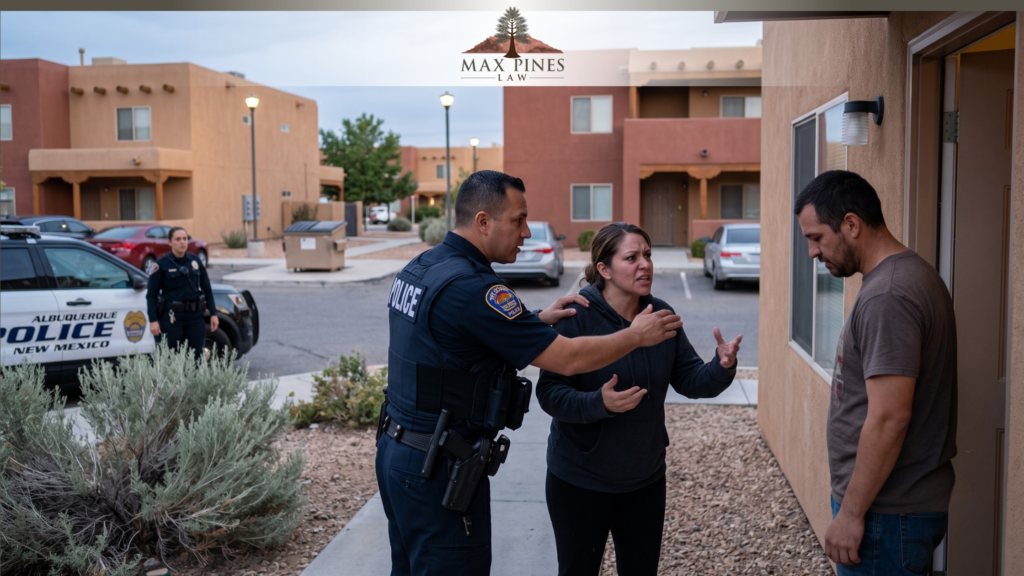
When the person is a household member, like a romantic partner, co-parent, or other qualifying relation, New Mexico treats it more seriously as battery against a household member, which is a misdemeanor rather than a petty misdemeanor. That label can affect domestic violence records, protective orders, and future sentencing if more incidents occur.
Consequences That Reach into Everyday Life
A misdemeanor battery conviction can lead to probation, no-contact orders, mandatory counseling, and fines. Employers, licensing boards, landlords, and family courts may all react to a record that includes violence or domestic violence.
For parents, a conviction can show up in custody disputes and CYFD involvement. For immigrants, certain assaultive offenses can trigger serious immigration consequences. Families often end up juggling protective orders, temporary living changes, and kids caught in the middle.
A Phone Call That Can Change the Direction of Your Case
Even with a misdemeanor battery charge, you keep core constitutional rights: the right to remain silent, the right to a lawyer, and the right to require the state to prove every element beyond a reasonable doubt. That includes the “unlawful” nature of the contact, which courts recognize as a real issue in household cases.
If you or someone in your family faces a misdemeanor battery charge in Albuquerque, you shouldn’t have to handle it alone. The team at Max Pines Law works with clients on criminal charges, DWI, civil rights issues, expungements, and personal injury cases while focusing on real-life change and support. Call (505) 226-2249 to talk about options and next steps.
FAQ: Misdemeanor Battery in New Mexico
Can you go to jail for misdemeanor battery in New Mexico?
Yes. Simple battery is a petty misdemeanor with a possible sentence of up to six months in jail and a fine of up to $500. Judges may also order probation, counseling, or no-contact conditions.
What is the difference between battery and battery against a household member?
Basic battery involves unlawful, intentional physical contact with another person in a rude or angry way. When the alleged victim is a “household member,” the offense becomes battery against a household member, which New Mexico treats as a misdemeanor domestic violence crime with different consequences and repeat-offense rules.
Will a misdemeanor battery stay on my record?
Yes, a conviction normally remains on your criminal record and can appear in background checks. New Mexico allows some people to seek expungement after meeting specific waiting periods and conditions, but the options depend on the exact charge and outcome of the case.