In this blog:
Refusing a breath or blood test during a DWI arrest in New Mexico triggers two parallel tracks: an administrative license case with the Motor Vehicle Division and a criminal case in court. Police can take your license, give you a short-term temporary permit, and, under current rules, you usually have ten days from service of the revocation notice to request an MVD hearing. Missing that deadline often leads to a one-year revocation for a first refusal, separate from anything that happens in criminal court. Reaching out for legal guidance and starting counseling where needed can protect your license and help your whole household stabilize.
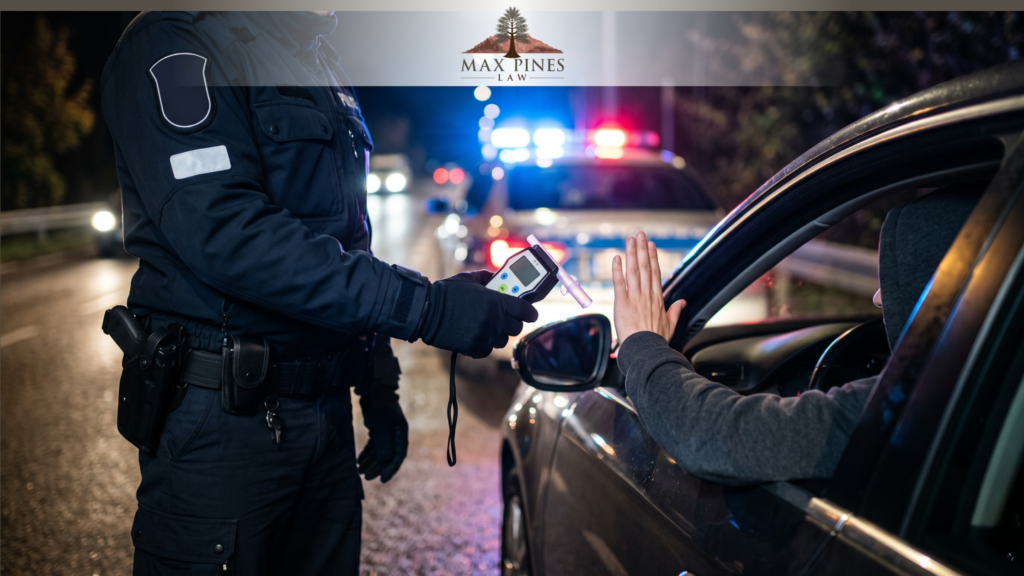
Blue lights flash in the rearview mirror, your pulse jumps, and suddenly the whole car feels smaller. The officer asks you to step out, runs you through questions, maybe field tests, and then says you’re under arrest for DWI. At the station, the request hits you: breath or blood test. In that moment, people think about their children, their job, the bills, and the way life has already been challenging. Saying “no” might feel safer than blowing into a machine, so it’s important to know the potential consequences.
What Refusal Triggers Under New Mexico’s Implied Consent Law
New Mexico’s Implied Consent Act says that by driving, you agree to chemical testing after a lawful DWI arrest. When you refuse, the officer prepares a sworn statement and sends it to the Motor Vehicle Division. MVD then moves to revoke your license for one year for a first refusal under current law.
The officer often takes your physical license and issues paperwork that operates as a temporary license for a short, defined period. During that time, you can still drive unless other suspensions already exist on your record. You usually have ten days from the date you receive notice of revocation to submit a written hearing request, with the required fee or an indigency form, to MVD’s central office. If MVD does not receive that request in time, you forfeit the hearing, and the revocation takes effect automatically.
Refusal also influences the criminal case. New Mexico law allows prosecutors to charge an aggravated form of DWI when a driver declines chemical testing after arrest, which raises mandatory minimum penalties if a conviction occurs. Courts permit the state to introduce evidence of refusal at trial.
The First Days After Arrest
The clock starts right away. Treat the next ten days as a project with specific tasks:
- Request the MVD hearing in writing. Include identifying information, a copy of the notice if possible, the fee or indigency form, and keep a stamped copy or proof of mailing for your records.
- Capture the details. Write down the timeline of the stop, what the officer said, where you were, medications, health issues, and names of any witnesses. Store this privately, not online.
- Talk with a DWI defense attorney ASAP. Counsel can align the administrative hearing, the criminal case, and any treatment so one step supports the next.
Families carry this together. Parents, partners, and caregivers can help by arranging backup rides for work, school, and appointments, because even with a hearing request, your status can change quickly. Starting therapy, substance use counseling, or a support group sends two messages at once: you care about your health, and you intend to change long-term patterns that brought you to this point. Courts often take note of that effort, and your family benefits immediately from the added support.
A Phone Call That Can Change the Whole Picture
You don’t have to sort through implied consent law, court dates, and family worries alone. A focused DWI defense, combined with real support for the rest of your life, gives you a path toward a healthier future instead of a spiral. Max Pines Law in Albuquerque works with clients facing DWI, refusal, and related criminal charges, while also prioritizing therapy, long-term change, and constitutional rights. If you or someone you love refused a breath or blood test, call (505) 226-2249 to set up a conversation about your options and your next steps.
FAQ: Refusing a Breath or Blood Test in New Mexico
Does refusing the test in New Mexico “beat” a DWI?
No. Prosecutors can still pursue a DWI without a chemical result and may treat the refusal as aggravated DWI, which increases mandatory jail time if there is a conviction.
How long will I lose my license for a first refusal?
For a first refusal, the Motor Vehicle Division usually revokes driving privileges for one year, separate from any criminal court suspension.
How fast do I need to act after a refusal?
You have ten days from the arrest date to request an MVD hearing, and the temporary permit typically lasts about 20 days before revocation begins, so filing that request right away protects your ability to contest the suspension